


 中文简体
 English
 Español
Provide you with the latest enterprise and industry news.
Introduction: The Challenge of Oxygenation in High-Density Farming
High-density aquaculture has become a common strategy to improve production in limited space, particularly in freshwater fish and shrimp farming. However, with more organisms in the same volume of water, the demand for dissolved oxygen rises significantly. This raises an important operational concern—can the Circumferential Aeration Aerator maintain effective oxygenation under these demanding conditions, or does its efficiency decline when stocking levels increase?
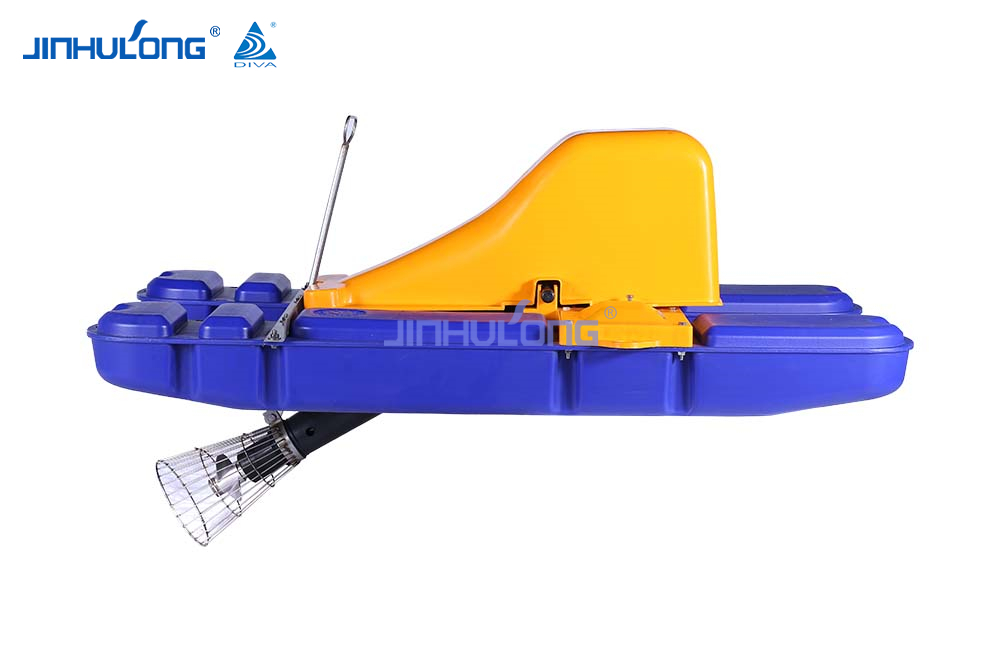
Oxygen Demand and Water Quality Dynamics
In densely stocked environments, fish respiration, organic waste decomposition, and feed residues all contribute to faster oxygen depletion. Dissolved oxygen (DO) levels can fluctuate rapidly, causing potential stress, disease susceptibility, or even mass mortality if not properly managed. Effective aeration, therefore, becomes critical. A system must deliver oxygen consistently and evenly, especially near the bottom where waste settles and oxygen tends to be low.
Core Advantages of the Circular Aeration Design
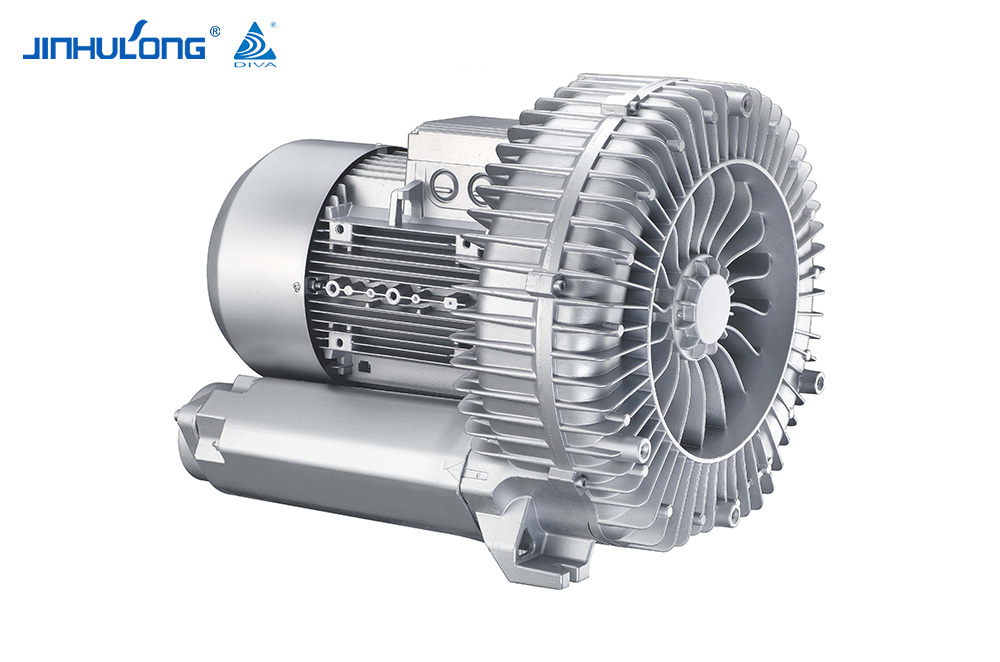
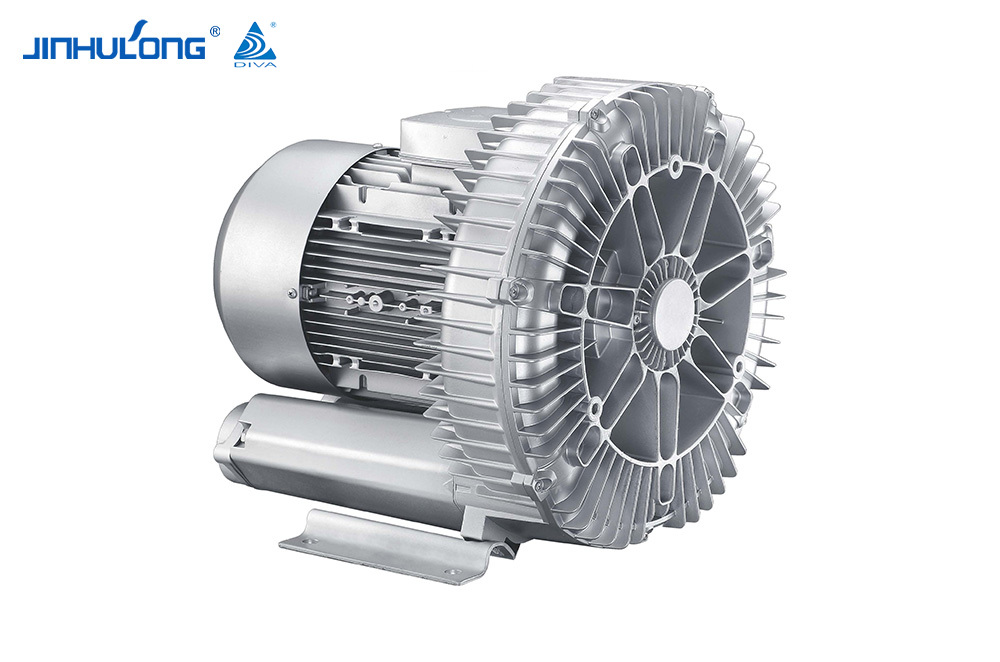
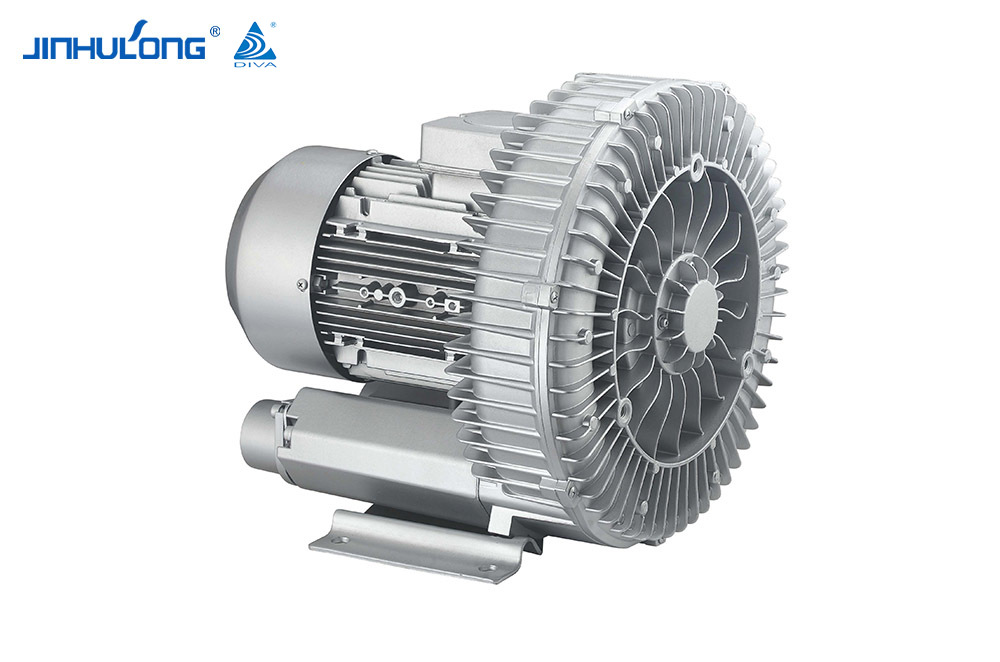
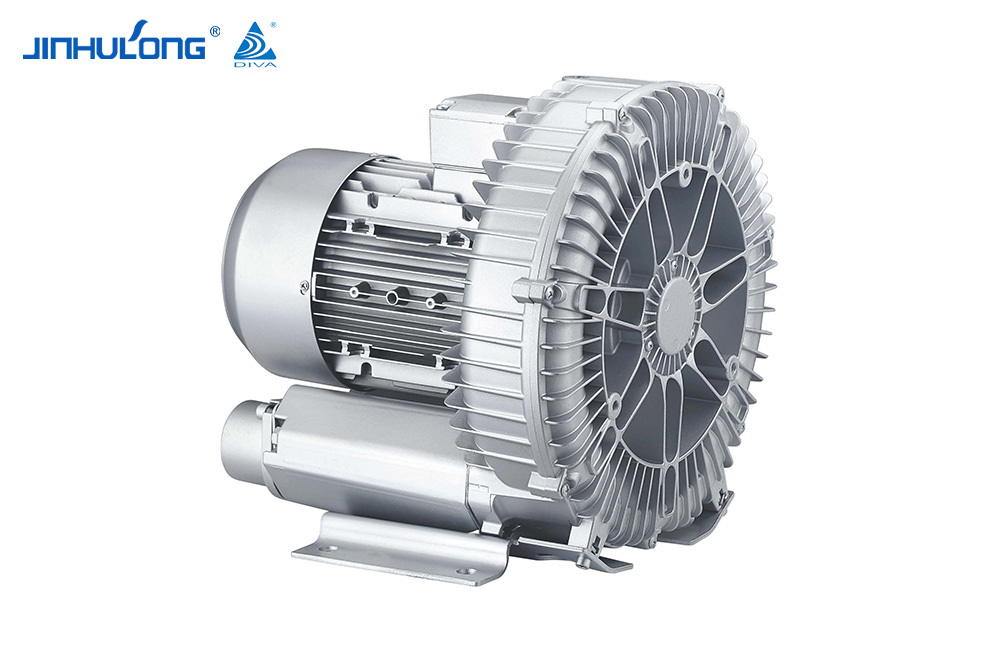
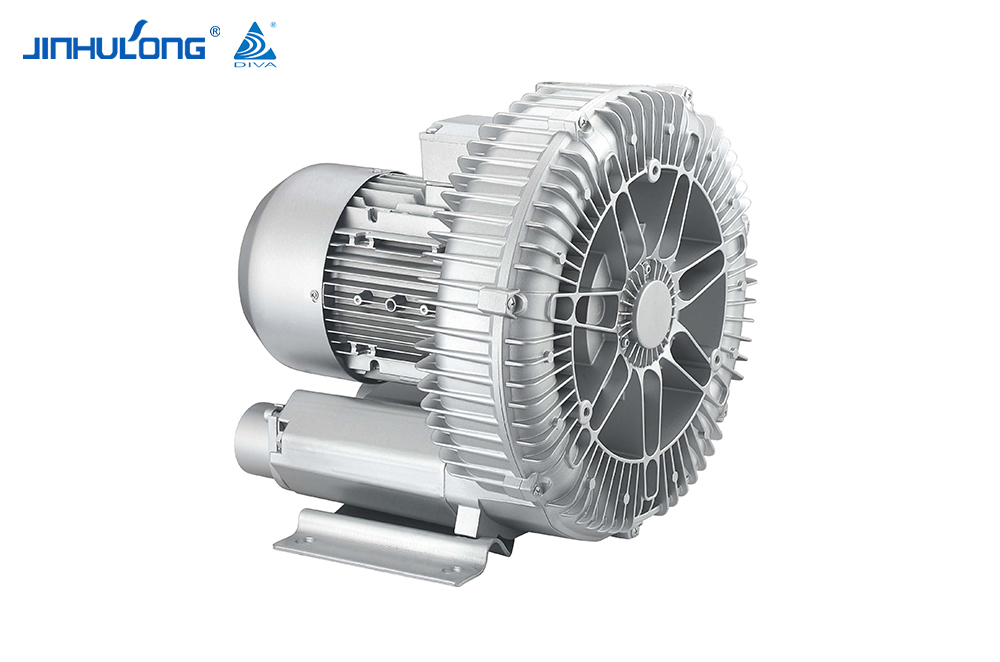
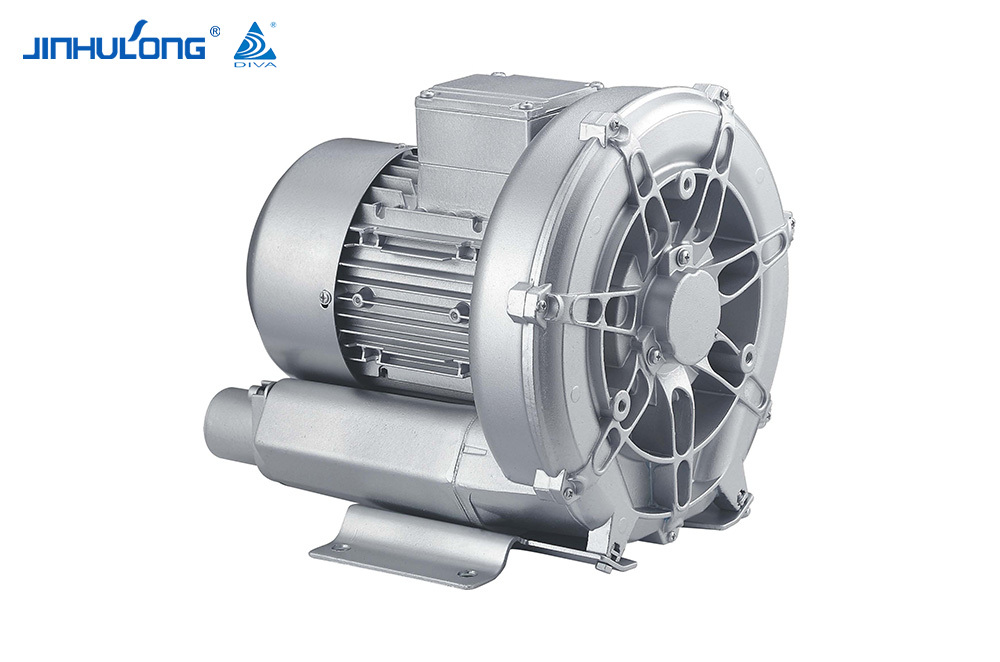
The Circumferential Aeration Aerator features a ring-shaped design that releases air through multiple, evenly distributed outlets. This allows for 360-degree diffusion of fine bubbles, which rise slowly and improve oxygen transfer efficiency. Unlike directional aerators that may cause turbulence or leave some zones under-oxygenated, the circular design helps maintain a uniform DO profile throughout the pond. This uniformity becomes particularly important in high-density systems, where fish crowding can otherwise cause localized oxygen shortages.
Aeration Performance Under Increased Biological Load
While the design supports consistent bubble distribution, the absolute oxygen demand in a high-density pond may indeed outpace what a single aerator unit can provide. The aerator itself does not become less efficient, but its output may no longer meet the elevated DO requirements without system augmentation. In such cases, aeration efficiency can appear to “decline” simply because demand has exceeded the unit’s intended capacity.
Strategies to Maintain Suitable Performance
To address this, operators can deploy multiple Circumferential Aeration Aerators or pair the system with supplemental aeration devices, such as paddlewheels or venturi injectors. Many systems are also designed with modular expandability, allowing farms to scale aeration infrastructure alongside stocking density. Additionally, using DO monitoring systems enables real-time adjustments in airflow or operational duration, ensuring the system responds dynamically to changes in oxygen demand.
Additional Factors Influencing Effectiveness
High-density environments often come with higher levels of suspended solids and organic waste, which can interfere with bubble rise and water clarity. If not managed properly, these factors could reduce oxygen dispersion efficiency. However, the continuous mixing action created by the Circumferential Aeration Aerator can help reduce bottom sludge accumulation and improve water movement, indirectly supporting better oxygen distribution even in loaded systems.
Conclusion: Scalability Ensures Efficiency Under Intensive Conditions
The efficiency of a Circumferential Aeration Aerator does not inherently decline in high-density aquaculture settings; rather, it depends on whether the system is appropriately sized and managed for the biological load. With proper scaling, real-time monitoring, and maintenance, the aerator remains a highly effective tool for delivering uniform and reliable oxygenation. Its 360-degree bubble dispersion and modular adaptability make it especially suitable for intensive farming operations seeking to optimize both productivity and water quality.
 0086-576-84893666
 0086-15757686666

 Tangshan Chen, Shabu Town, Huangyan, Taizhou, Zhejiang

