


 中文简体
 English
 Español
Provide you with the latest enterprise and industry news.
Introduction to Aerator Performance in Harsh Climates
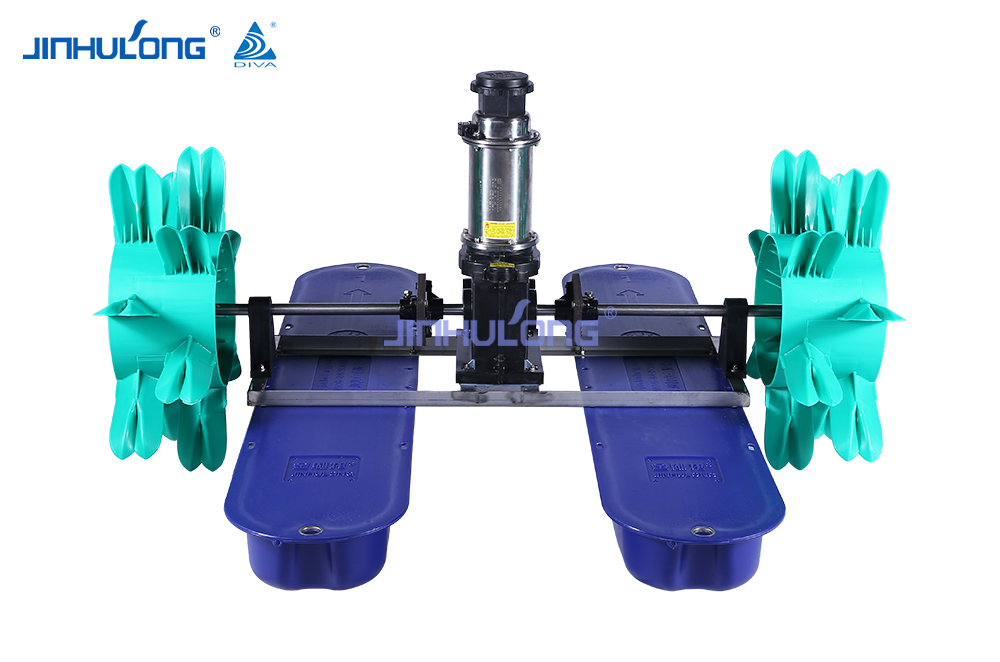
Aquaculture operations located in tropical and subtropical regions often face challenges due to high ambient temperatures, especially during peak summer months. Sustained exposure to heat can negatively impact the performance and durability of mechanical equipment. The Frequency Conversion Aerator, designed to improve energy efficiency and oxygen distribution in fish ponds, has raised questions about how well it can maintain stable operation in such harsh environments. Understanding its performance under high temperatures is critical for ensuring uninterrupted and efficient pond management.
Thermal Design and Heat Dissipation Mechanisms
The internal components of a frequency-based aeration system, including the motor and inverter, are engineered with thermal protection features that help manage heat buildup. High-quality Frequency Conversion Aerator units typically include advanced ventilation systems, temperature-resistant materials, and built-in cooling fans that maintain suitable working temperatures even during continuous operation in warm climates. These elements ensure the aerator does not suffer from overheating, which could otherwise result in power loss, reduced oxygen output, or equipment failure.
Intelligent Speed Regulation and Reduced Heat Generation
Unlike conventional aerators that run at full speed regardless of the actual oxygen demand, a Frequency Conversion Aerator adjusts its speed based on real-time needs. This variable-speed capability plays a vital role in high-temperature conditions. When less oxygen is required, the system automatically reduces motor speed, which in turn generates less heat. This self-regulating mechanism prevents unnecessary thermal stress and contributes to more stable operation, even when ambient temperatures rise above 35°C.
Material Durability and Component Protection
For any equipment exposed to temperatures, the quality of materials used is paramount. Reliable frequency conversion systems are often built with heat-resistant enclosures, weatherproof seals, and corrosion-resistant coatings. These protective features prevent warping, insulation degradation, and mechanical wear caused by prolonged exposure to sunlight and heat. Furthermore, modern systems are subjected to rigorous testing standards to ensure performance consistency under thermal load, making them suitable for year-round use in hot and humid climates.
Continuous Operation Without Shutdown Risks
One of the common concerns for aquaculture professionals is the risk of operational shutdowns due to overheating. Traditional aerators can experience motor burnout or inverter faults under such conditions. However, the frequency-based models are equipped with thermal sensors and automated safety responses. These systems monitor internal temperatures and adjust output accordingly to avoid crossing critical heat thresholds. As a result, the chances of sudden equipment failure or emergency stoppage are significantly reduced.
Field Performance and User Experience
Field reports from aquaculture farms operating in Southeast Asia, Africa, and the Middle East—where high temperatures are common—suggest that frequency-controlled aerators continue to deliver reliable performance. Farmers have noted stable oxygen levels, low system downtime, and reduced maintenance needs, even during extended heat waves. The combination of intelligent controls and thermal safeguards appears to enhance user confidence in the aerator’s capacity to perform reliably under pressure.
Conclusion: Reliable and Resilient in Warm Conditions
Overall, the Frequency Conversion Aerator demonstrates a high level of operational stability when used in elevated temperature environments. Its energy-efficient design, intelligent speed control, and robust thermal management features make it well-suited for aquaculture settings that experience heat. As climate change continues to impact temperature patterns worldwide, investing in adaptable and resilient equipment like this aerator becomes increasingly important for sustainable fish farming operations.
 0086-576-84893666
 0086-15757686666

 Tangshan Chen, Shabu Town, Huangyan, Taizhou, Zhejiang

